

You may be interested in…
What Are Enzyme Cleaners and When Should You Use Them?
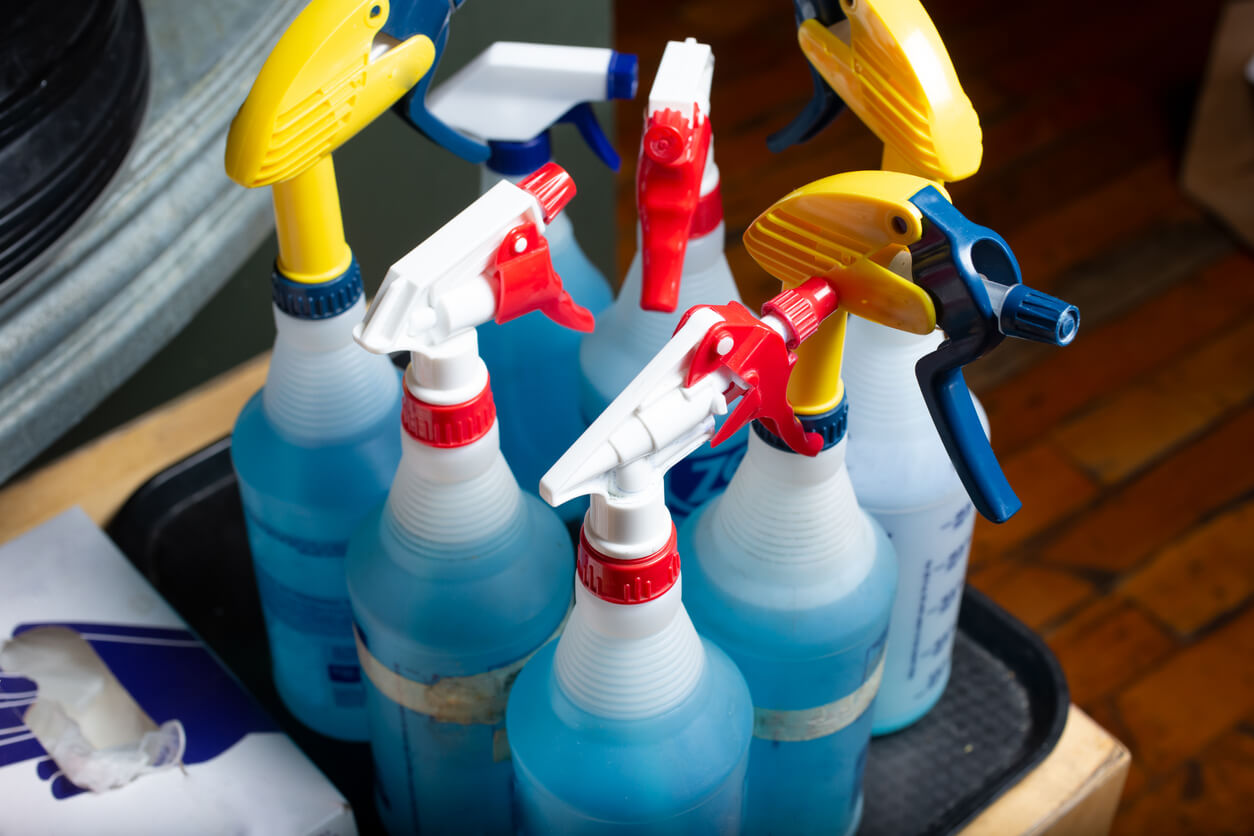
Enzyme cleaners are popping up more on supermarket shelves in recent years, but many of us still aren't exactly sure what they are and when they're needed. If you're yet to use them, this blog will break everything down for you: what enzyme cleaners are, where they work best, and how they compare against traditional cleaning chemicals.
What Are Enzyme-Based Cleaners and How Do They Work?
Enzyme cleaners use enzymes (a kind of protein) to break down organic messes like food, sweat, urine, and pet accidents. When it's applied, the enzymes target the source of the mess and break it down into simple, harmless byproducts like water and carbon dioxide – far easier to remove.
Different enzymes target different stains:
- Proteases break down protein-based stains like blood, food, and sweat
- Amylases target starchy stains like sauces and gravies
- Lipases work well against greasy and oily stains
- Cellulases help to remove dirt while also improving fabric softness by breaking down cellulose fibres
You may now be wondering if you're supposed to get one of each enzyme cleaner to work on every type of stain you'll have to deal with, but don't worry; many commercial products combine all, or some combination of, these enzymes into one single product.
Best Applications: Carpets, Drains, Odours and Stains
So, we've covered what enzyme cleaners are and how they work. Where exactly are you supposed to use them? Here's a breakdown of each of the best applications.
Carpets and upholstery:
Enzyme-based products penetrate deep into fibres to break down organic matter completely, making them particularly effective against stubborn stains. As most enzyme cleaners are pH-neutral, there is far less risk of bleaching or discolouring fibres, as there might be with other heavy-duty cleaners. For professional-grade results, consider using a carpet extractor in combination with enzyme cleaners for deep cleaning.
Drains:
Enzyme cleaners can be as effective as traditional acid drain cleaners while also being more gentle and safer to use. For best results, use after the evening cleanup and allow for overnight soaking while the enzymes break down any grease and food particles.
Odours:
Because enzyme cleaners work to break down the actual source of the stain or smell, they are among the most effective ways to eliminate odours. They're particularly useful and effective in restrooms, waste areas, and any areas with particularly high pet traffic.
Enzyme Cleaners vs Traditional Chemical Cleaners
So, how do enzyme cleaners measure up against their chemical counterparts? Here's a rundown.
Where enzyme cleaners have the edge:
They work gradually but often more thoroughly, especially on organic stains and odours. With a residual cleaning effect, enzyme cleaners continue working even after application to break down organic matter at the molecular level. They are more environmentally friendly and safer to use; formulated from naturally occurring proteins, they're biodegradable and don't introduce harmful substances into water systems.
Where traditional chemical cleaners still have their place:
A carefully applied chemical solution will quickly restore function when you can't wait for enzymes to work. Enzyme cleaners are limited to organic materials; for inorganic residues like mineral scale or rust, chemical cleaners come out on top.
Are Enzyme Cleaners Safe for Pets and People?
Yes! As they're non-toxic and biodegradable, enzymatic cleaners are safe for use in any room – this is particularly key in pet-friendly spaces, where pets are lower to the ground and more exposed to chemical residues and fumes.
Enzyme cleaners are pH-neutral (like water), without hazardous ingredients. This means they're better for indoor air quality, less likely to trigger allergies and respiratory issues, and are safe for use in poorly ventilated areas.
Tips for Getting the Best Results
As with any cleaning product, enzyme cleaners will work best when they're used in the correct way. Here are some quick tips to help you get the best results:
- Remove excess soiling first: enzyme cleaners will then get direct contact with the actual stain, not just layers of waste
- Allow adequate dwell time – typically 10-15 minutes
- Keep the surface damp; enzymes work best in moist environments
- Don't mix with bleach or disinfectant; these can kill off the enzymes
- Watch the temperature; the colder, the better
Ready to expand your stock of enzyme cleaners? Explore our range of eco-friendly enzyme cleaning solutions from brands like Acitchem, Agar and Enzyme Wizard today. At Big Clean, we stock comprehensive cleaning products to meet all your commercial and residential cleaning needs.