
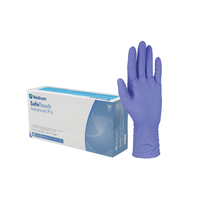
Medicom Nitrile Long Cuff Gloves Blue
size: Extra Small, Small, Medium, Large, Extra Large, Small Carton, XSmall Carton, Large Carton, Medium Carton, XLarge Carton Colour: Blue
From $18.90

Medicom Nitrile Long Cuff Gloves Blue
size: Extra Small, Small, Medium, Large, Extra Large, Small Carton, XSmall Carton, Large Carton, Medium Carton, XLarge Carton Colour: Blue
From $18.90
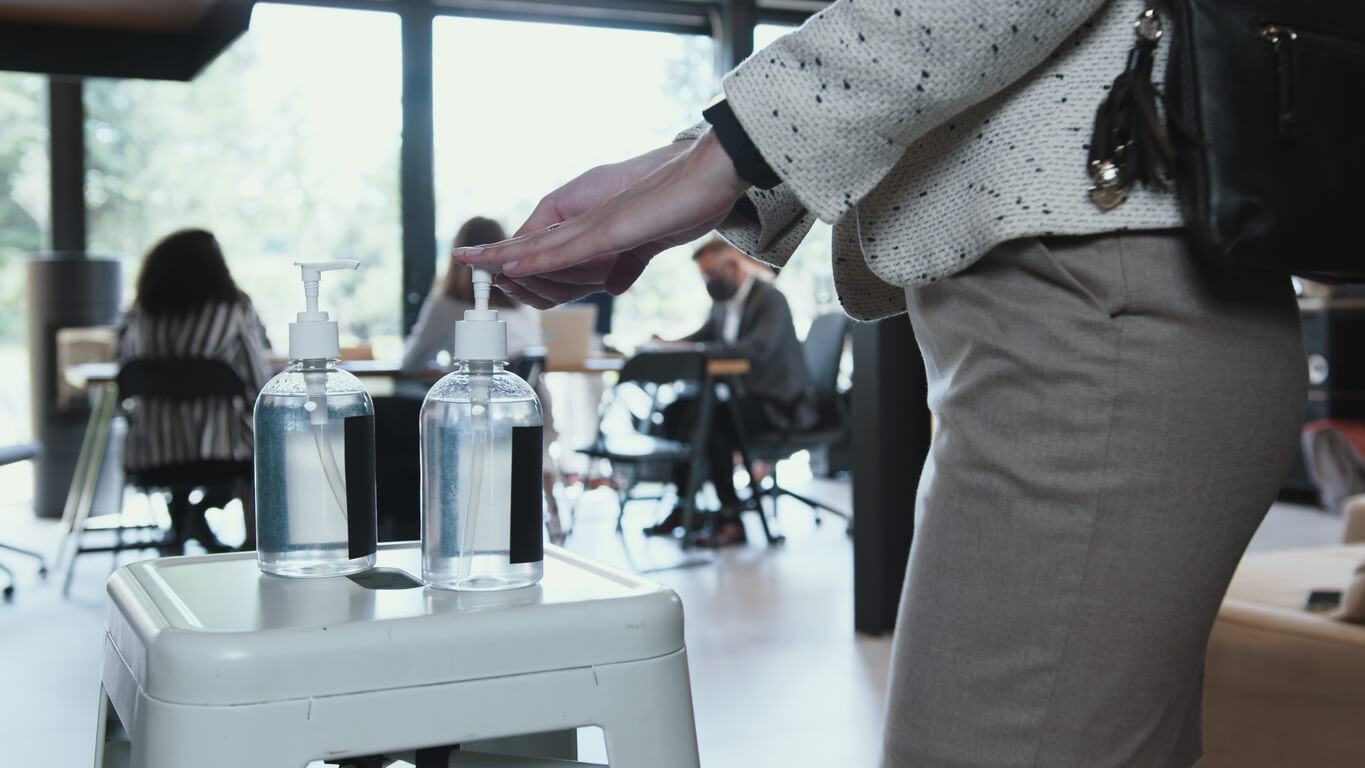
A hygiene station that's empty or poorly positioned is almost worse than no hygiene station at all. It signals to staff and to visitors that hygiene isn't a priority. But investing in proper hygiene standards isn't just about keeping your workforce and customers safe; it's also a smart business decision. Research suggests that workplaces with higher hygiene standards experience up to 80% fewer instances of productivity loss due to illness.
This blog will cover what every workplace hygiene station should include, their optimal placement, and how to keep them looking presentable: everything you need to know to get the basics right.
The three core things a hygiene station needs are: soap (or sanitiser), a hand-drying solution, and a waste receptacle. Depending on the setting, this may also include disinfectant wipes, tissues, and signage.
Good hand hygiene is widely regarded as the most important element of infection control, and every workplace should provide effective solutions such as soap and water as a minimum.
If soap and water aren't possible, hand sanitiser stations should instead be placed in high-traffic areas. Soap and sanitiser should be stored in closed cartridge dispensers – it creates a better impression than bottles perched precariously on makeshift surfaces.
Signage is an often-overlooked feature of hygiene stations, but it can make all the difference. Signs that remind employees to wash their hands promote good hygiene practices on a rolling basis, without the need for constant intervention.
Different work settings will call for different types of soap dispensers. Here is a practical breakdown to help you choose which one will work best for you.
Manual dispensers:
Typically more cost-effective, easier to install, and do not rely on power. A practical choice for smaller businesses or low-traffic areas. Involve physical contact, so less hygienic in public settings.
Automatic dispensers:
Reduce shared touchpoints, improve dosing consistency, and align more closely with modern hygiene expectations. Usually a better long-term choice for commercial, high-traffic, shared-use restrooms. Consistent dispensing of soap leads to less waste and lower operational costs over time.
Foam dispensers:
Typically, use less product per wash. Gentler on skin with frequent use. Require specially formulated foaming soap; regular soap will clog the foaming mechanism.
The science behind whether paper towels or electric hand dryers are more hygienic is more nuanced than many expect, and actually, available research does not clearly come down on either side. When used correctly, clean paper towels and air dryers are considered equally effective by both the CDC and WHO.
However, paper towels do possess a practical edge in many commercial settings. Wiping with a paper towel creates friction, which physically lifts bacteria and germs from the hands. Single-use towels also reduce cross-contamination risk, as contaminants are removed from the restroom through normal waste disposal.
Electric dryers, on the other hand, do have the edge when it comes to sustainability and long-term cost. They can also dry more effectively; newer high-speed dryers in particular, such as those from Dyson or XLerator, can dry hands in as little as 12 to 15 seconds.
Of course, even the best-stocked station is useless if it never gets used. If it's too far away, employees may simply forget to use it or decide to skip handwashing altogether when they're busy. Instead, place hygiene stations where people naturally pass through, for example: entry points, break areas, and shared equipment zones.
Restocking your hygiene station should be a habit. Here's how to make it a seamless part of daily business operations:
Check that paper towels are stocked and hand dryers are working at the beginning of every shift. Encourage staff to report problems and act on them promptly. Wipe down dispensers regularly, empty waste bins before they start overflowing, and keep signage clear and legible.
Do all these things, and you'll signal to staff and visitors that hygiene is a priority, not an afterthought. If you're ready to elevate your workplace hygiene station, explore our range of soap dispensers and hand hygiene products from Big Clean today.