
You may be interested in…

Emergency Response for Handling Accidental Spills and Exposures

Emergency Response for Handling Accidental Spills and Exposures
Accidental spills happen often but are usually not a major problem. In serious cases, however, you need to take prompt and effective action to keep people safe and limit the damage. To do that, it’s important not to panic but to be prepared to deal with the situation properly.
The Four Cs of Spill Management: Caution, Control, Contain, and Clean-Up
The four Cs are a simple way of remembering the steps you need to take to deal with a spill:
- Caution is essential because a hasty and rash approach is likely to make matters worse and can result in harm for you.
- Control the spill by eliminating its source and stopping its flow (by turning off a valve or putting an overturned container upright).
- Contain the spill so it doesn’t go into vulnerable areas such as drains or soil.
- Clean up and decontaminate the affected area. If possible, close doors so that chemical vapour does not spread.
You may also need a fifth C, to communicate the incident to others, such as relevant authorities.
Assembling Your Emergency Spill Kit: Essential Products
Spills are likely to occur when least expected, so it’s best to be prepared. A spill kit will have everything you need to deal with a spill and should contain:
- Personal protective equipment such as gloves, eye protection, face masks and disposable suits. You cannot deal with a spill effectively if you are adversely affected by it.
- Means of containing the spill, including pads to soak up liquids, absorbent barriers and granules to stop the spread, and covers to prevent spills from entering drains.
- Clean-up tools such as scrapers and squeegees to remove spills, alcohol wipes to clean surfaces and tools, and dustpans and brushes to clear the waste.
- Sealable containers and heavy-duty bags for the collection and disposal of waste.
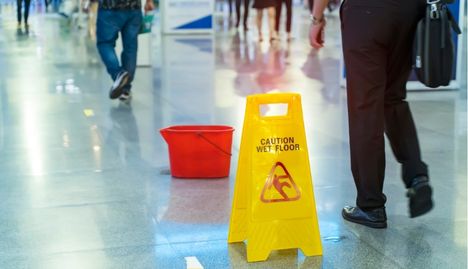
- Warning signs to alert others.
- An emergency contact list.
- A list of the spill kit contents and how they are to be used.
First Aid Fundamentals for Chemical Exposure and Skin Contact
Spills of chemicals that come into contact with skin can be extremely serious since they can cause burns and reactions. If a person is exposed to chemicals:
- Check for danger since you will be unable to help if also affected.
- Move them away from the area if it is not safe.
- Avoid direct contact with chemicals.
- Check if the person is responsive, breathing, and their airway is clear.
- Call emergency services in the case of severe burns or if the person is in a poor state.
- If the person is not breathing normally, start CPR or use a defibrillator if available.
- Remove contaminated clothing, brush powdered chemicals off the skin and flush any burned area with cool running water for twenty minutes to dilute chemicals.
- Cover the burn and seek medical advice for further treatment.
Do not apply anything else to the burn, avoid spreading the chemical and do not break blisters.
Safe Disposal Procedures: How to Handle Contaminated Waste Compliantly
Any contaminated waste from the chemical spill must be treated with great care. Try to identify what it is and keep it away from anything that will react with it. Then:
- Place contaminated waste in a leak-proof container, seal it and clearly label as hazardous waste.
- Move the container to a safe area that is separate from other materials and people.
- Contain any further spills.
- Transport harmful waste to a secure disposal site using a licensed waste carrier.
Our products include equipment and materials to deal with chemical spills, including PPE to keep you safe while you do it.