

You may be interested in…


Scrubber Dryer vs Mop and Bucket: When Is It Time to Upgrade Your Floor Cleaning?
November 11, 2026
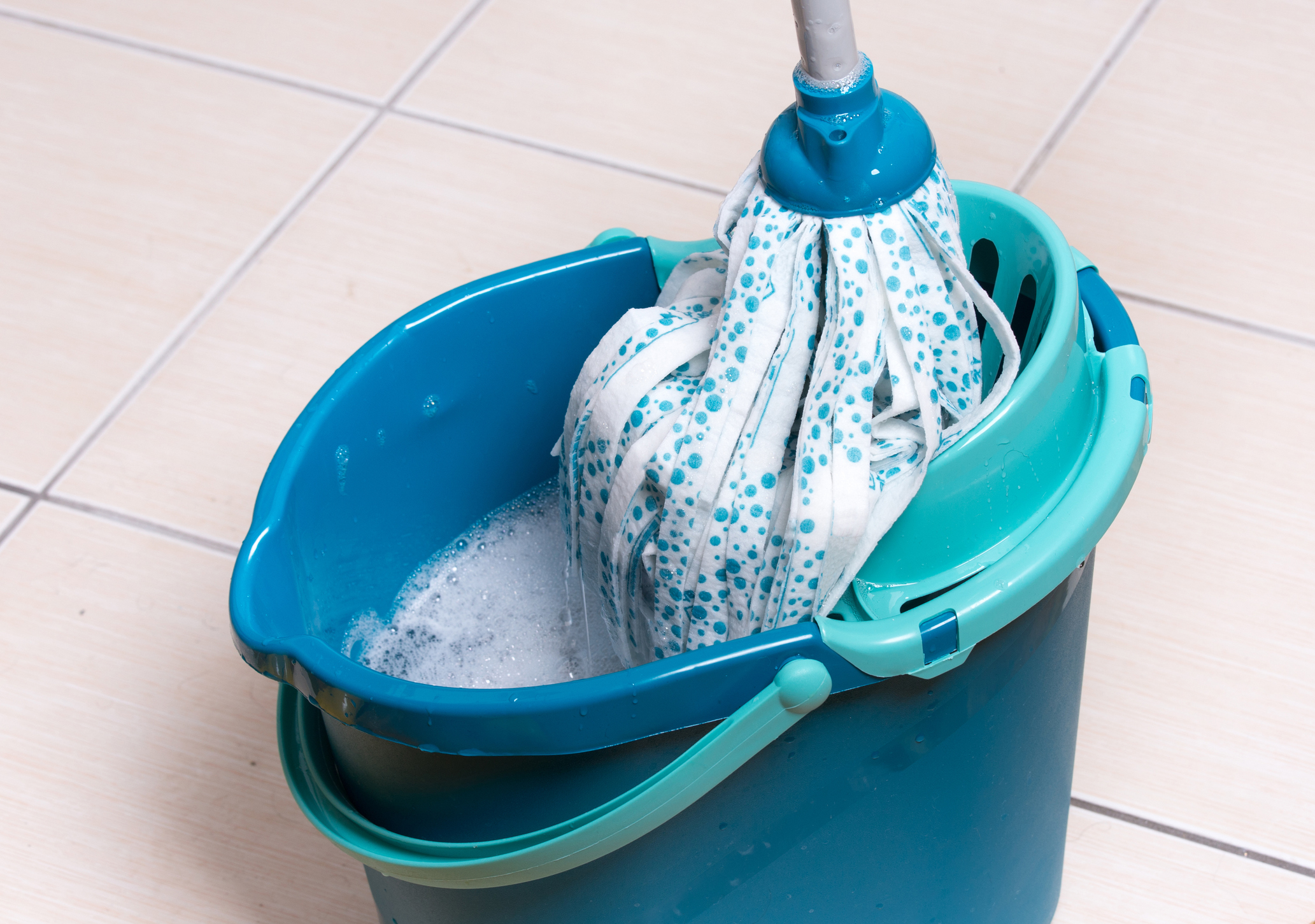
Cleaning a floor with a mop and bucket is familiar and we all trust it. For small or awkward spaces, it’s the best way to clean, but could mechanising your floor care be the practical step up that you need?
Your decision might be influenced by the floor space at hand, traffic levels, labour costs and cleaning frequency.
Labour Time and Water Use Per 1,000 m2 (Manual vs Machine)
With traditional mop-and-bucket cleaning, there is significant manual effort required in dipping, wringing, mopping and changing dirty water. In comparison, a scrubber dryer can scrub the floor and collect the dirty water in the same pass, reducing manual effort and reducing standing water. A reduction in the time that flooring is left wet might reduce slips, trips and falls as well as allowing the floor to return to use sooner.
Over 1,000 square metres of flooring, consider these comparisons:
- Traditional mopping may use up to 500 litres of water, whereas a scrubber dryer may use up to 150 litres (depending on floor type and cleaning solution used).
- Traditional mopping could take up to eight hours, whereas a scrubber dryer might take as little as sixty minutes.
Floor Sizes and Traffic Levels Where a Scrubber Pays for Itself
Machine cleaning becomes a more attractive proposition when large floors need to be cleaned frequently. Supermarkets, schools, warehouses and commercial premises all make use of mechanised cleaners to keep flooring in good condition.
Higher foot traffic can introduce more dirt to your floors, so busier areas may have frequent cleaning requirements.
When weighing up the cost of machine cleaning, consider the cost of purchase of hire against labour costs over time of continuing with traditional mop-and-bucket cleaning. There are some caveats, however: obstacles, narrow spaces, furniture and irregular room layouts may reduce the efficiency and benefits of mechanised cleaning solutions.
There is unfortunately no universal floor-area threshold: the layout and traffic density of your space matter just as much as the size when considering cleaning methods.
Compact, Walk-Behind and Ride-On Options by Premises Type
| Machine type | Premises |
|---|---|
| Compact scrubber dryers | These are useful in small commercial premises as they can navigate smaller spaces and manoeuvre more tightly. |
| Walk-behind machines | These are a convenient middle-ground. They may be ideal in schools, retail settings and healthcare facilities with moderately-sized floors. |
| Ride-on machines | If you have large expanses of floor in open areas such as warehouses, retail spaces or shopping centres, a ride-on machine may be worth considering. |
Large machines can clean floors faster, but they are also a greater investment and require more storage space and turning room to work effectively. Consider your flooring type, cleaning width, operative training available and access to charging before choosing your cleaning machine.
Trying Before Buying Through a Short-Term Hire
Hiring can help you to weigh up the practicalities, pros and cons of a machine before committing to the investment of a permanent purchase.
We recommend using a hire machine on your actual flooring with the usual cleaning team managing their typical workload. This allows you to assess the impact of adding mechanisation accurately, considering manoeuvrability, cleaning results, battery life and ease of use.
Check out availability, delivery and collection arrangements, staff training and insurance terms and conditions when choosing a hire company. We have our own rental request form here.
Running Costs: Pads, Batteries and Servicing
Purchase price is only part of the investment in a cleaning machine. You must also consider the cost of consumables like cleaning brushes, pads, squeegees and cleaning chemicals. Battery replacement is also part of regular upkeep and you should plan for regular charging alongside maintenance and repairs.
The correct pads and brushes will depend as much on the flooring type and soiling level as on the make and model of your machine. The wrong choice could damage your flooring, deliver poor results or damage the cleaning machine itself.
Preventative maintenance may reduce unexpected costs and downtime of your machinery. You should compare the total ongoing costs with the labour and water costs of traditional cleaning methods.
Conclusion
Manual cleaning is the most practical method for small or awkward spaces, but a scrubber dryer might be well-suited to you if you have a large and frequently cleaned area to manage. Calculate your labour costs and potential savings before making any decisions.
Explore Big Clean’s mechanical options, contact us for more information or submit a rental request form to test out a scrubber dryer in your space.