

Other Articles
SEE ALLYou may be interested in…


How to Clean High-Rise and Hard-to-Reach Windows Safely Without Scaffolding
November 11, 2026
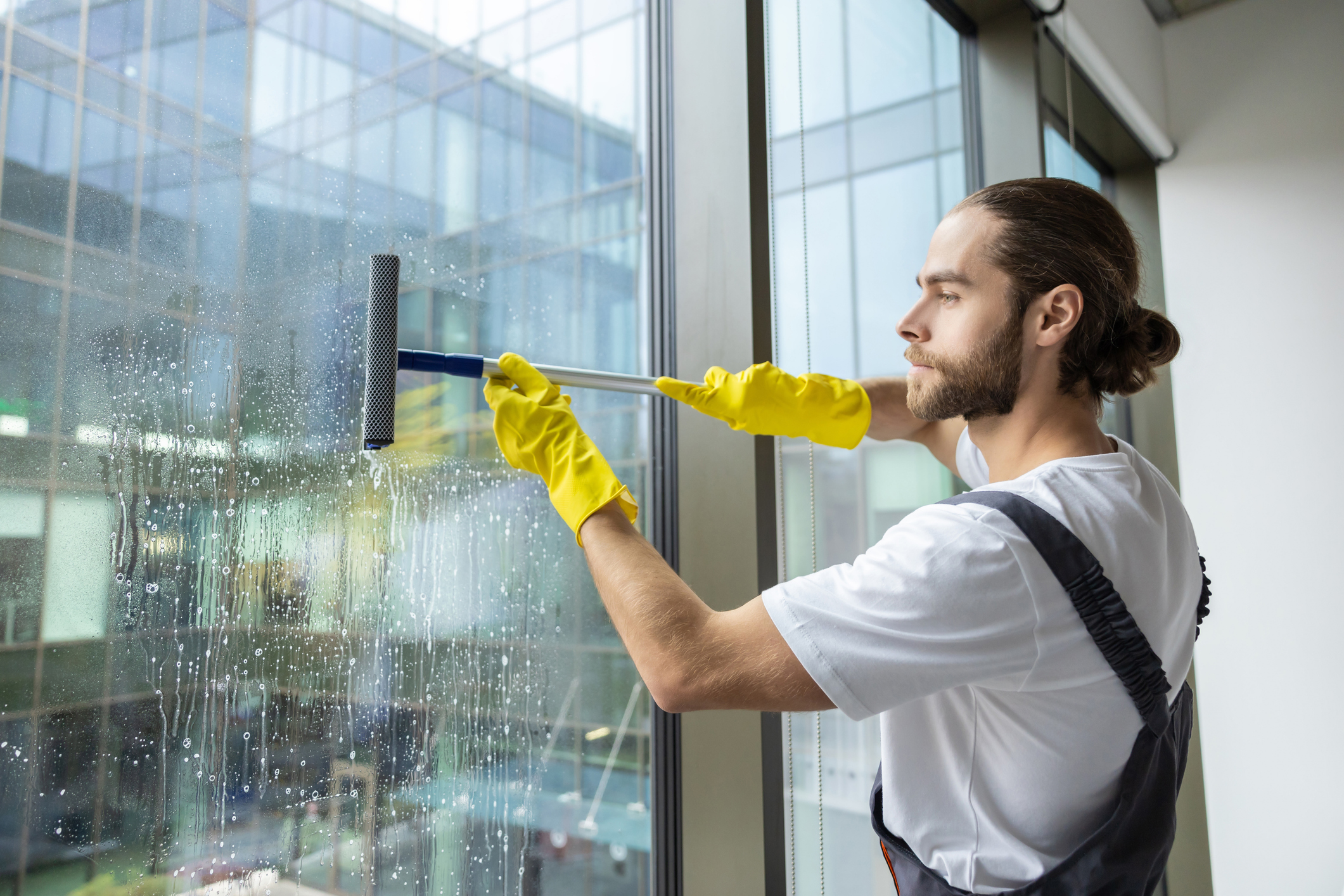
Expanses of glass on upper floors and atriums can be difficult, expensive, and risky to keep clean. Scaffolding is one traditional approach to the problem, but the right method depends on building height, safe access, glass design, and a detailed risk assessment.
Some safer, highly efficient alternatives we offer at Big Clean include extension poles for manual equipment and automated window-cleaning units. Here, we're going to explore how you can tackle high-rise and hard-to-reach glass without the logistical headache and expense of scaffolding.
Why Working at Height Is the Biggest Risk in Commercial Window Cleaning
Falls from height can cause serious injury and even death, making thorough access planning vital to safe commercial window cleaning. Standard cleaning routines at height present several serious hazards:
Unstable and Slippery Surfaces: Wet glass, soap residue, and slick ledges make maintaining footing extremely dangerous when cleaning elevated windows manually.
Overreaching and Equipment Drops: Reaching for awkward glass corners increases fall risks, while dropped squeegees, buckets, and poles pose severe hazards to pedestrians below.
Weather Volatility: Sudden gusts of wind and unexpected rain can compromise elevated work platforms and scaffolding in minutes.
The most common mitigators of these risks are scaffolding and elevated work platforms. However, these involve extensive setup time, access restrictions, and additional costs that must be passed on to the client. Avoiding scaffolding doesn’t automatically make a job safer; your aim should be to eliminate or reduce work at height wherever possible through strict workplace health and safety compliance and site-specific risk assessments.
Pole Systems and Their Reach Limits
Extension poles allow window cleaners to reach high glass directly from ground level, significantly reducing the need for working at height. They are straightforward to introduce to daily working practice, offer tremendous flexibility, and provide easy access to windows situated above busy entrances or shopfronts.
There are some limits to extension poles, however:
Reach and Control: As poles extend higher, maintaining stability, control, and adequate cleaning pressure against the pane becomes increasingly difficult.
Obstructions and Angles: Overhead structures, trees, architectural overhangs, and awkward angles can hinder the operator's line of sight and tool performance.
Height Thresholds: Practical physical limits mean pole systems cannot effectively service multi-storey facades, leaving tall structures out of reach.
Where Manual Methods Stop Being Practical (High-Rise, Atriums, Large Glass Facades)
Conventional manual tools can only do so much. Large expanses of glass, double-height atriums, and multi-storey facades present persistent challenges, including the constant repositioning of equipment and severely restricted physical access.
Internal atriums present unique challenges compared to external facades. The glass is often suspended above staircases, delicate architectural features, open voids, or permanently occupied workspaces, making conventional access equipment impossible to deploy safely. While some structures require specialist industrial rope access, an automated cleaning robot can often provide a smarter, safer alternative for tricky glass expanses.
How Automated Glass Cleaning Units Handle Edges, Suction, and Safety Ropes
| Edges | Automated units use sensors or navigation systems to recognise the boundaries of their cleaning area. Detecting edges is a key part of their function. |
| Suction | Units adhere to glass during cleaning using suction. |
| Safety ropes | These provide an additional safeguard in case of suction failure, protecting equipment from damage and people below from falling units. |
Weighing Cost, Time, and Risk for Facilities Managers
There are several strategic decisions to make when planning high-level glass maintenance. Facilities managers must weigh up the ongoing costs of specialist labour, setup downtime, equipment hire, and safety compliance.
Extension poles provide an affordable, rapid solution for lower accessible windows, while automated units represent an ideal long-term investment for extensive vertical panes and high-risk facades. Above all, safety must guide your operational choices rather than just speed.
Big Clean offers specialised commercial window-cleaning equipment designed to keep operators safe while delivering spotless results. Explore our range of automated units and cleaning poles today, or reach out to our specialist team for advice on finding the right setup for your building.