

You may be interested in…
Commercial Kitchen Cleaning: Products and Best Practices
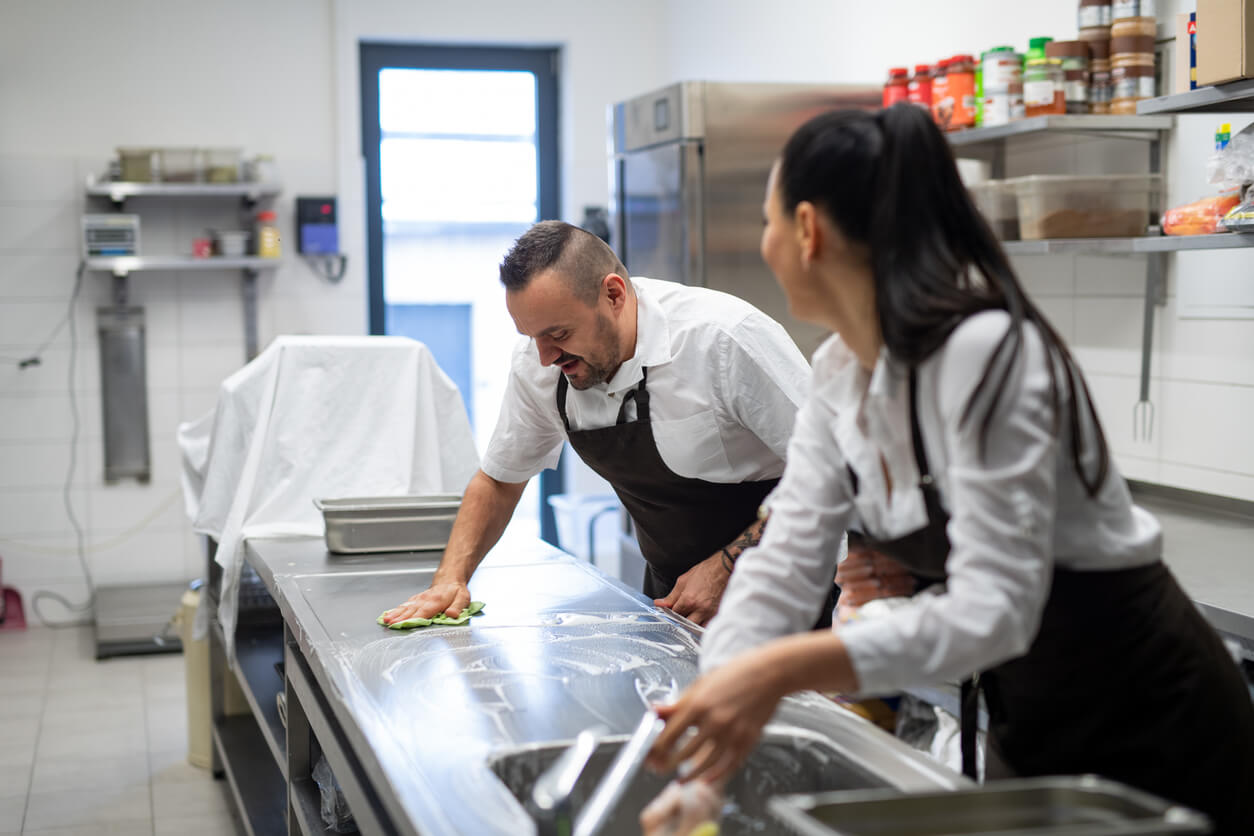
A clean commercial kitchen isn't just about maintaining appearances - it directly impacts food safety and your business reputation. Without a structured cleaning routine and the right products, this busy, fast-paced environment can quickly become a breeding ground for bacteria, grease build-up and cross-contamination risks, all of which can affect food quality and increase the possibility of failed inspections.
Ensuring you implement effective and consistent cleaning practices is the key to maintaining a safe, efficient and compliant workspace. This guide will cover the routines, products and standards you need to know to implement best-practice cleaning standards.
Daily Cleaning Routines for Commercial Kitchens
The foundation of any well-run commercial kitchen is a consistent daily cleaning routine. A 'clean as you go' approach should be standard practice through the working day - wiping down and sanitising prep areas after each use, cleaning spills and splashes immediately, and clearing food debris. These small tasks help minimise grease and bacteria build-up, making end-of-day cleaning more manageable and efficient.
At the end of service, the following tasks should be completed:
- Degrease and wipe down oven, fryer or range exteriors and hood
- Clean and sanitise all prep areas, chopping boards and utensils
- Wipe down walls and splashbacks around cooking areas
- Clean and sanitise sinks
- Sweep and mop floors
- Empty, rinse and sanitise bins
- Empty and clean grease traps
These daily tasks focus on the busiest areas of the kitchen, helping maintain clean and safe food preparation spaces. They will also prevent grease or food residue from carbonising and becoming harder to remove, as well as providing an area for bacteria to build up.
How to Deep Clean a Commercial Grill
Generally speaking, commercial grills do not need daily deep cleaning unless they are in an extremely busy kitchen. A weekly deep clean is typical for commercial high-use grills to keep them operating properly and safely.
To deep clean a commercial grill, the first step is to cool the grill to work on it, but keeping it warm enough to help soften grease (around 150°C to 180°C, or as your equipment manufacturer recommends), and to remove any grates or removable components to be cleaned separately.
Next, scrape off heavy carbon deposits and burnt fat, then apply a degreaser and allow it to soak for around 15 minutes (or as directed) before scrubbing with a wire brush or abrasive pad. The grill can then be rinsed and dried, and reassembled.
Floors, Drains and Surfaces: What to Use
Different areas of a kitchen require different products to ensure hygiene and avoid damage.
For floors, non-slip commercial floor cleaners are essential, as well as heavy-duty alkaline-based degreasers. Standard mopping with an all-purpose cleaner is often not sufficient in grease-heavy environments. Stiff bristled brushes are best for scrubbing floors effectively, and hot water will aid in breaking down grease.
Drains can be a major source of bacteria and odours, and should be regularly cleaned with biological or enzymatic cleaners to remove food particles and grease. These products can be used safely without damaging pipes or drains. Harsh chemical cleaners should be avoided as they can corrode pipes and damage plumbing.
For surfaces, first, an industrial degreaser should be used to remove grease and food debris. This step should be followed by sanitising the surface with a food-safe sanitiser to ensure any bacteria are killed. For stainless steel surfaces, dedicated cleaners designed for stainless steel should be used, as many chemical cleaners contain bleach, ammonia or chloride and can cause damage to the surface.
Choosing the Right Degreasers and Chemicals
It is important to choose the right chemical for each job. Alkaline degreasers are best for cutting through grease, fat and protein, while acidic cleaners are best used for mineral or lime deposits. For any food preparation surfaces, always check that your products are food safe, and follow dilution and rinse instructions carefully.
Food Safety Compliance and Cleaning Standards
Commercial kitchens must comply with Food Standards Australia New Zealand (FSANZ) Food Safety Standards. For these standards, it is important to understand that cleaning and sanitising are separate steps - cleaning removes visible dirt, while sanitising kills pathogens, and both are mandatory.
It is useful to keep a documented cleaning schedule with notes of products used and checklists signed by staff. These are easy to maintain and invaluable during a health inspection.
Commercial Cleaning Products from Big Clean
Keeping a commercial kitchen clean, safe and compliant requires the right daily routines, effective products and consistent standards. By following these best practices, you can keep your kitchen operating at the highest standard. Stocking up with a trusted supplier like Big Clean ensures you always have the right products on hand to meet these standards.